
Outturn survey
Attendance at discharge and delivery, recording condition and tally against the documents as the cargo comes out. Service 08 — On arrival.
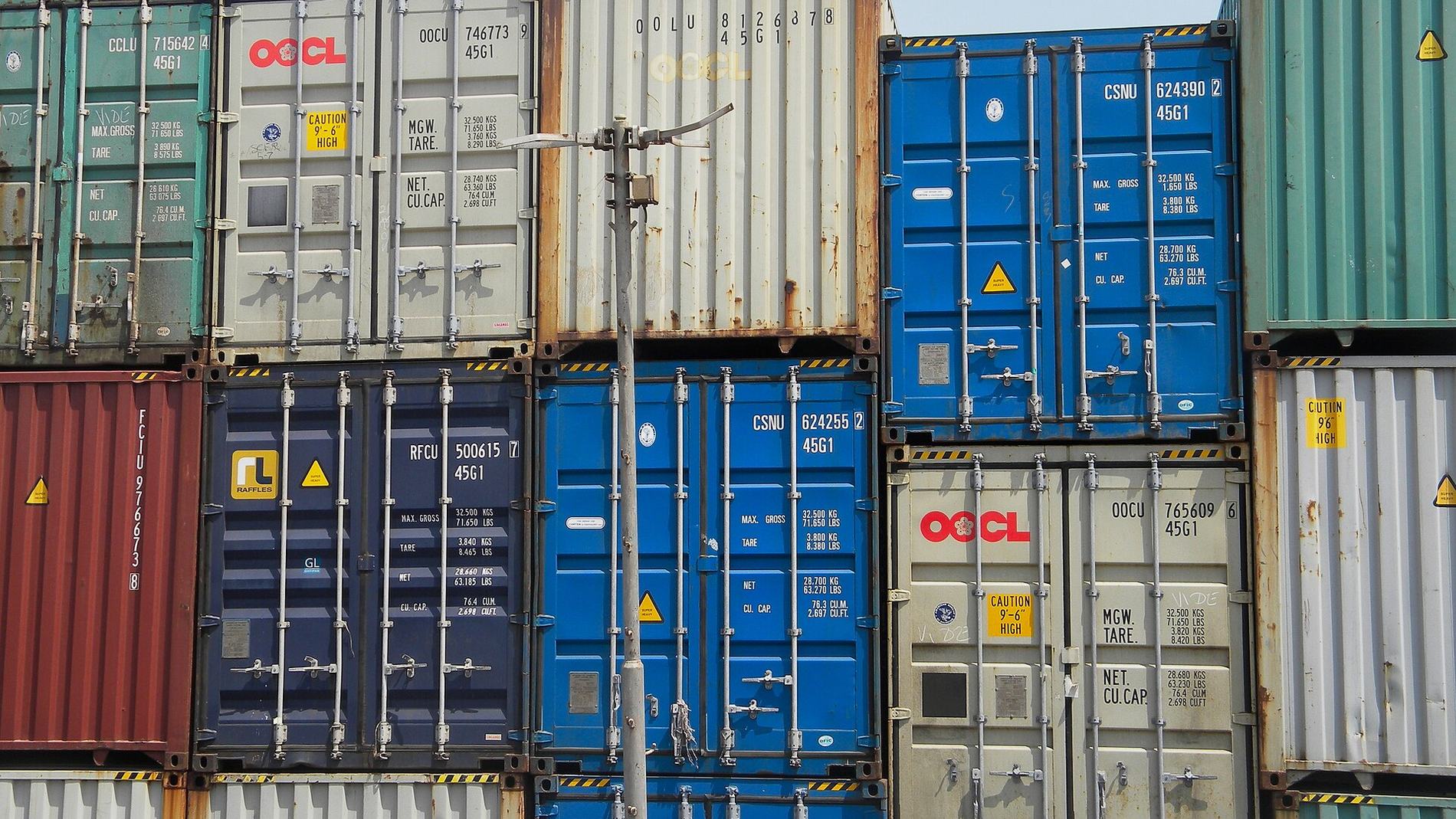
Houaito Affo Daniel, CC BY-SA 4.0 · placeholder
When you instruct one.
- The vessel is discharging, or is about to, and the cargo's condition on landing will be argued about later.
- The consignee has reported damage, wetting or shortage and the cargo has not yet been moved.
- A clean bill is in play and someone needs an independent record of what actually came off.
- You are not yet sure there is a claim — and want the evidence secured before deciding.
What we do.
- 01Attend the discharge. On the quay as the cargo comes out, or at the shed door where discharge is already done. Whichever it is, we record which one it was.
- 02Tally against the documents. What the manifest says, what the bill of lading says, and what is physically landed — reconciled, with the differences itemised rather than summarised.
- 03Record condition before anything moves. Photographs of the stow as found, the securing as found, the unit's seals and CSC plate, and the cargo itself. Timestamped, and referenced to the file.
- 04Open the units where instructed. Seal numbers checked against the documents before breaking. If a seal was already broken when we arrived, that goes in the report as prominently as anything else.
- 05Separate sound from damaged. Quantities on both sides, and the basis on which the split was made — so it can be argued with later, by anyone.
- 06Note what we could not do. Access refused, cargo already stripped, terminal closed, customs hold. A survey's limits belong in the survey, not in a follow-up phone call.
What you receive.
- A survey report: findings, nature and extent of loss or damage, and probable cause.
- Quantum — the extent expressed against sound market value, with the method shown.
- The photographic record, referenced to the tally, not a loose folder of images.
- A liability view where the evidence supports one, and a plain statement where it does not.
- Preliminary advice ahead of the full report, while the cargo is still available to inspect.
What we need from you
- Bill of lading and packing list
- Commercial invoice, where quantum matters
- Arrival notice and delivery note
- Any photographs the consignee already took
- The vessel, voyage and your own file reference
What we hold ourselves to
- 2–24hA surveyor instructed from the network nearest the cargo.
- 24–48hYour update on the appraisal, with photographs and the key information.
- 72hThe detailed preliminary report, after the survey assessment.
- 45 daysExpected turnover per mission. The final report follows the loss mitigation or destruction operation.
Attendance on site depends on distance to the port and on terminal and customs access, so that is confirmed on your file rather than promised as one number for every port on the continent.
Instruct this surveyThey trust us already
Insurers · brokers · traders · logistics providers


























26 marks, as listed in the Victor Surveys company profile. They are shown in black and white and return to colour on hover. Written consent to display a client’s mark is worth confirming before launch — several of these houses require it.
Instruct an outturn survey.
Fill this in and it sends a complete instruction, already set to this service, straight to the claims desk.
Usually instructed with.
One instruction can carry several of these. They are separate headings, not separate visits.

